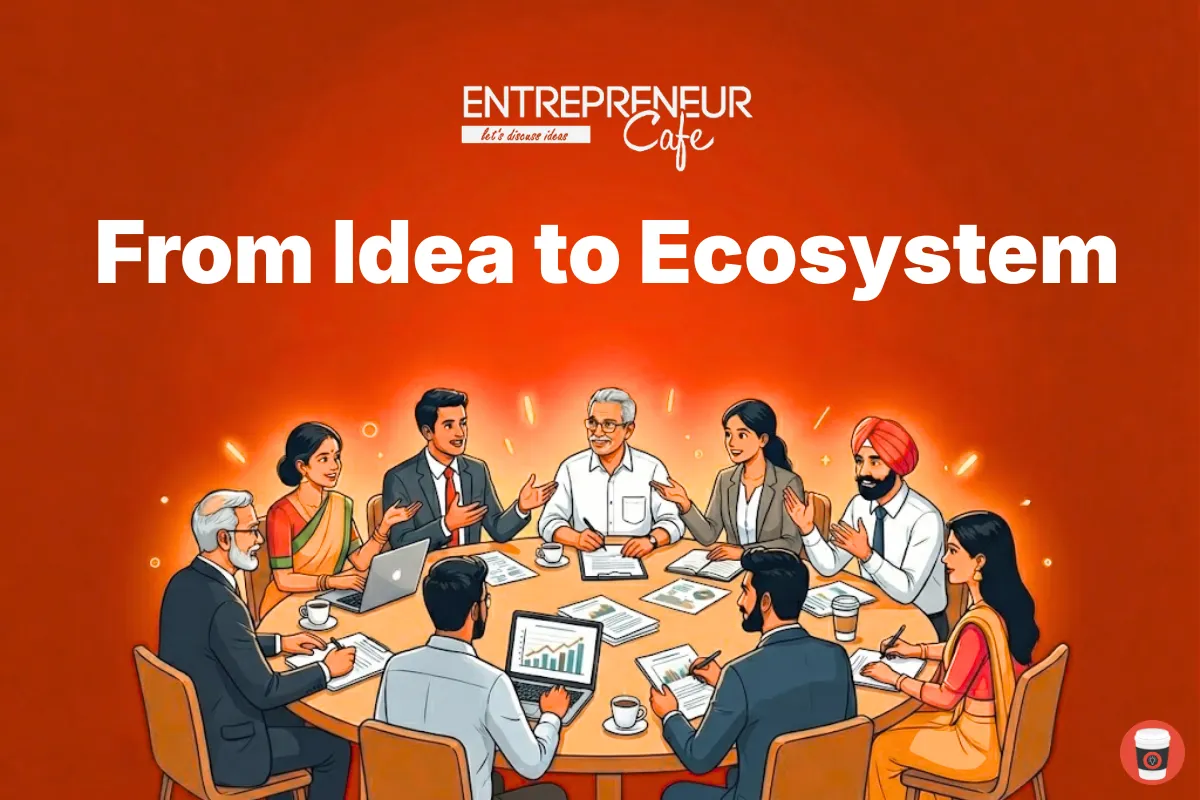
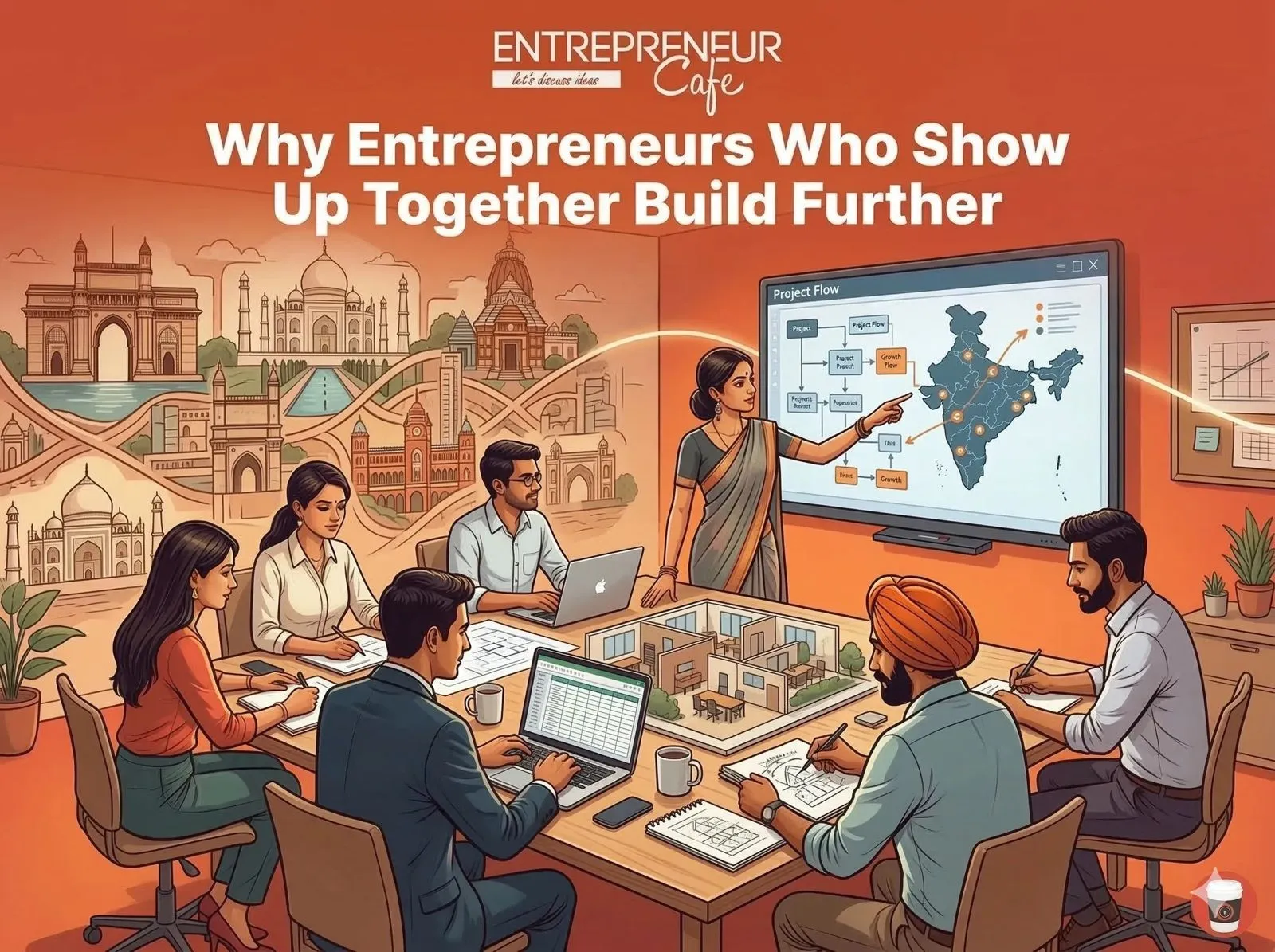
There is a myth that refuses to die in the world of entrepreneurship. It is the myth of the lone genius. The solitary founder, hunched over a laptop at 3am, building something extraordinary through sheer individual will and relentless personal sacrifice. No help. No community. Just vision, grit, and coffee.
It is a compelling story. It is also largely fiction.
Behind almost every breakthrough company, every successful founder, every startup that made it through the fire — there is a network of people who showed up. Mentors who gave honest feedback. Peers who shared hard-won lessons. Communities that held space for the kind of real conversation that does not happen on a stage or in a press release.
The most successful entrepreneurs in the world did not build alone. And the sooner we stop celebrating isolation as a virtue, the better we will be at building companies that actually last.
This is the case for community. Not networking — community. And there is a difference that matters enormously.
Networking Is Transactional. Community Is Transformational.
Most entrepreneurs have been to a networking event. You walk in, collect business cards, have the same surface level conversation seventeen times, and walk out with a handful of LinkedIn connection requests and a vague sense that none of it was particularly useful.
That is not community. That is performance.
Real community is what happens when people who share the same values, the same struggles, and the same ambitions show up for each other consistently over time. It is the mentor who picks up the phone at 11pm because they can hear the panic in your message. It is the fellow founder who tells you the truth about your pricing model when everyone else is being polite. It is the investor who introduces you to exactly the right person not because they want something in return but because they genuinely believe in what you are building.
According to research by Endeavor Insight, entrepreneurs who are part of strong peer networks are significantly more likely to scale their businesses successfully than those who go it alone. The data is clear — community is not a soft benefit. It is a structural advantage.
The Science Behind Why Community Works
There is actual neuroscience behind why humans perform better in community. When we feel genuinely connected to others — seen, supported, and valued — our brains produce oxytocin, which reduces cortisol levels and lowers the physiological impact of stress. For founders who are operating under chronic high-pressure conditions, this is not a small thing.
A study published in the American Psychological Association found that people with strong social connections are better at problem solving, more resilient under pressure, and more likely to take the kind of calculated risks that drive innovation.
In practical terms, what this means is that the founder who is embedded in a strong community is not just emotionally better off. They are cognitively sharper. They make better decisions. They recover faster from setbacks. And they are more willing to take the bold moves that separate good companies from great ones.
Community is not a wellness strategy. It is a performance strategy.
What Happens When You Find Your Room
Every entrepreneur has a story about a conversation that changed everything. A chance meeting that opened a door. A piece of feedback that reframed an entire business model. A moment of honest connection that reminded them why they started.
These moments do not happen by accident. They happen because someone showed up. They put themselves in a room with other builders and stayed long enough for something real to emerge.
Research from MIT's Sloan School of Management shows that peer learning — the kind that happens in entrepreneur communities — is one of the most effective forms of business education available. Not because the content is better than a course or a book, but because the learning is contextual, immediate, and delivered by people who are living the same reality as you.
When a mentor tells you how they navigated a co-founder conflict, it lands differently than reading about it in a case study. When a fellow founder shares how they closed their first enterprise client, that conversation is worth more than any sales training program. Community accelerates learning in a way that nothing else can replicate.
The Compound Effect Of Consistent Community
One of the most underappreciated aspects of community is the compound effect of showing up consistently over time.
A single networking event produces a handful of contacts. A single mentorship conversation produces a single insight. But showing up to the same community every month for a year produces something entirely different — deep relationships built on trust, a reputation as someone who gives as much as they take, and a network that genuinely moves when you need it to.
James Clear, in his book Atomic Habits, writes about the power of small consistent actions compounding over time into remarkable results. The same principle applies to community. The founder who shows up every month, who contributes, who listens, who supports others — that founder is building social capital that compounds in ways that are difficult to measure but impossible to ignore.
The entrepreneurs who have been part of Entrepreneur Cafe for two, three, four years will tell you that the community they have built is one of the most valuable assets in their business. Not because of any single conversation or connection — but because of the accumulated trust and relationship built through consistent, genuine presence.
Why India's Startup Ecosystem Needs Community More Than Ever
India is in the middle of one of the most exciting entrepreneurial moments in its history. With over 110,000 recognised startups as of 2023 according to the Department for Promotion of Industry and Internal Trade, India is now the third largest startup ecosystem in the world.
But growth at this scale comes with its own set of challenges. First generation founders navigating funding landscapes they were never taught about. Entrepreneurs in tier two and tier three cities building without access to the mentors and networks that their counterparts in Mumbai and Bangalore take for granted. Young founders making expensive mistakes that a single honest conversation with the right person could have prevented.
Community is the infrastructure that India's startup ecosystem needs right now. Not more pitch competitions. Not more accelerator programs that accept one percent of applicants. The kind of open, accessible, consistent community that meets people where they are — in their city, every month, over coffee — and gives them what they actually need. Honest conversation, genuine connection, and the simple but powerful reminder that they are not doing this alone.
The Entrepreneur Cafe Model — Why It Works
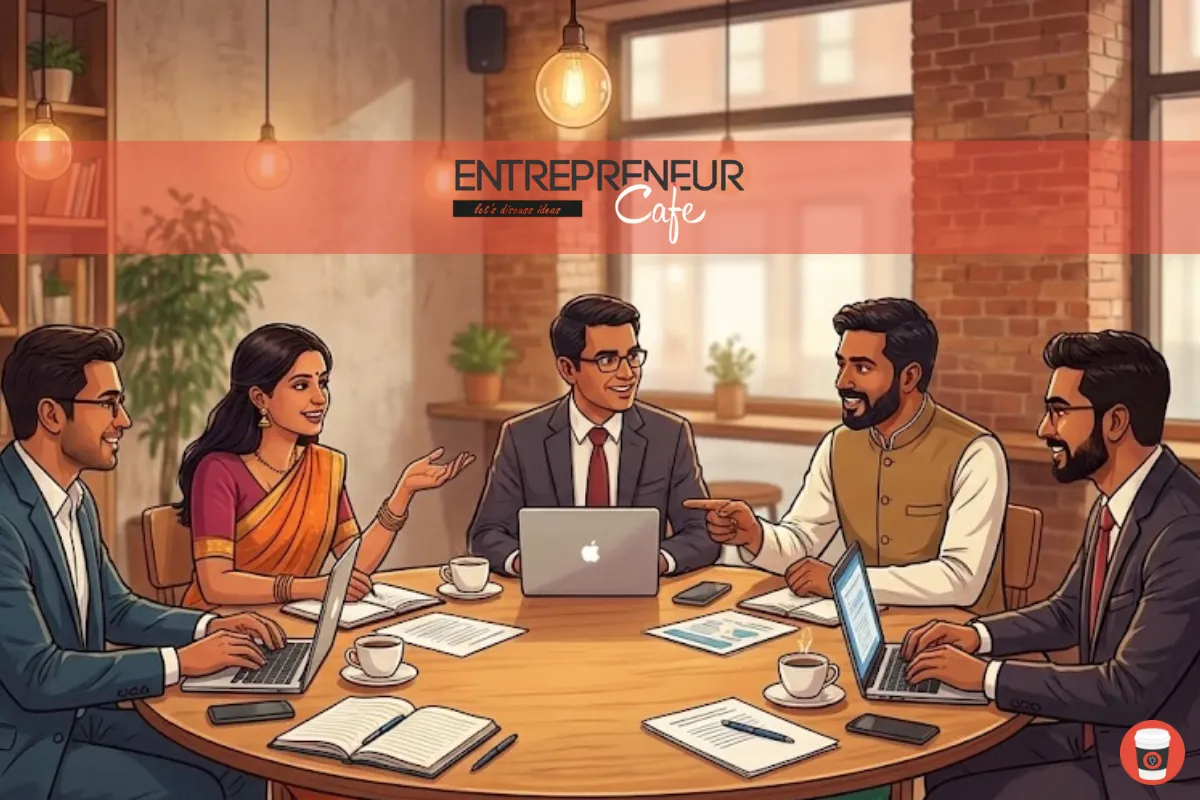
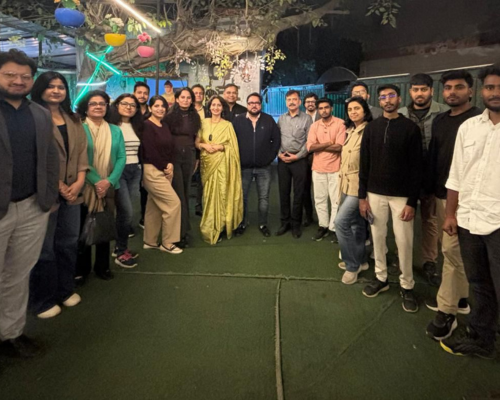
Entrepreneur Cafe was built on a deceptively simple idea. Bring entrepreneurs together over coffee, with no agenda other than to connect, share, and support each other. No pitching. No keynotes. No sponsor booths. Just people who are building things, showing up for each other in the most human way possible.
And it works. Because simplicity works. Because consistency works. Because people — regardless of where they are in their journey — respond to a space that is genuinely about them and not about performance.
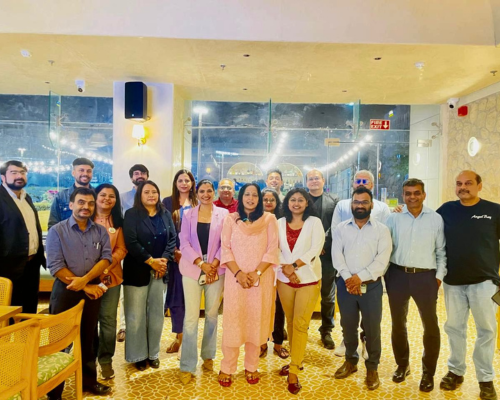
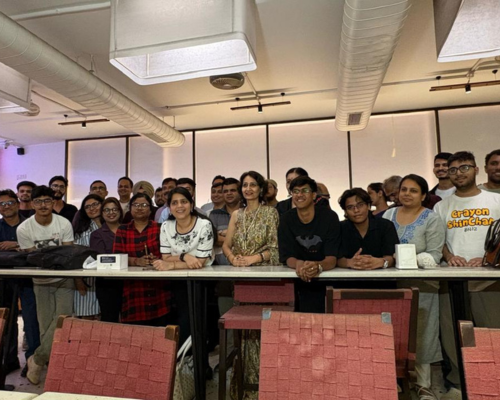
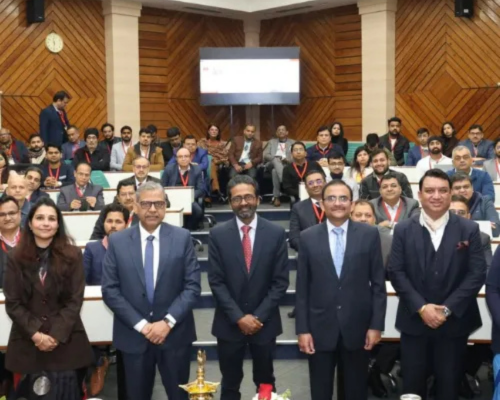
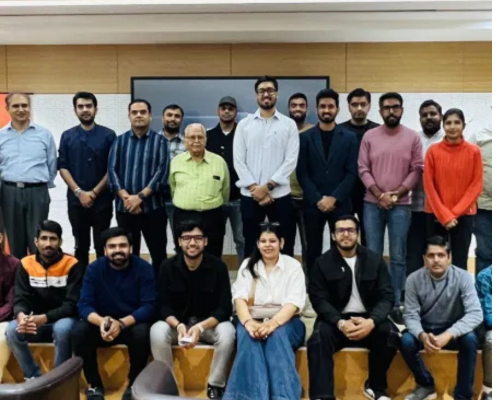
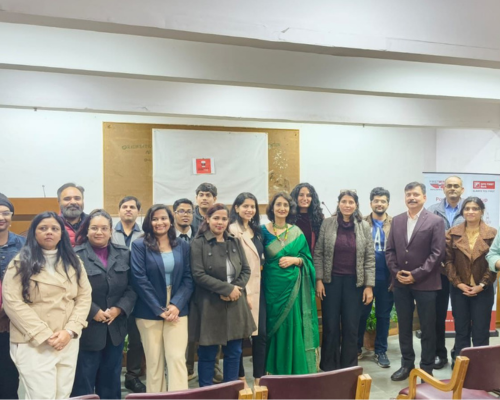
Across 110 cities, 26 countries, and 6 continents, Entrepreneur Cafe chapters meet every month. The founder in Bhubaneswar sits in the same kind of room as the founder in Nairobi or New York or Berlin. They have the same kind of conversation. They build the same kind of trust. They walk away with the same kind of renewed energy that comes from being truly seen by people who understand.
That consistency, replicated across the globe, is what makes Entrepreneur Cafe more than a meetup. It is a movement.
How To Find Your Community
If you are a founder who is building in isolation right now — the first step is simply to start showing up somewhere. It does not have to be perfect. It does not have to be the biggest room or the most impressive network. It just has to be real.
Here is what to look for in a community that will actually serve you. Look for consistency — a group that meets regularly, not just once in a while. Look for generosity — people who give without immediately expecting something in return. Look for honesty — a culture where hard truths are welcomed rather than avoided. And look for diversity of experience — communities that bring together founders at different stages, with different backgrounds, building in different industries.
If you find those four things, you have found a community worth investing in. Show up. Contribute. Be patient. And watch what happens over time.
You Are Stronger Together Than You Are Alone
The lone founder myth is seductive because it puts everything in your hands. Your success, your failure, your story. It feels like strength. But real strength is knowing when you need other people — and being willing to ask for them.
The entrepreneurs who build the furthest are not the ones who need the least. They are the ones who have built the best networks. The ones who have invested in community as seriously as they have invested in product, team, and capital.
Because at the end of the day, the most important asset any founder has is not their idea or their funding or their technology. It is the people who are willing to show up for them when it matters.
Build your community. Show up for others. And let others show up for you.
That is how entrepreneurs build further. Together.
Entrepreneur Cafe is a free, global community where entrepreneurs meet monthly over coffee to share ideas, get feedback, and build real relationships. Present in 110+ cities, 26 countries, and 6 continents. Find your chapter at entrepreneurcafe.org
Sources
- Endeavor Insight — The Power of Entrepreneur Networks https://endeavor.org/content/the-power-of-entrepreneur-networks/
- American Psychological Association — The Importance of Social Connection https://www.apa.org/monitor/2023/01/trends-improving-social-connection
- MIT Sloan School of Management — How Peer Learning Transforms Entrepreneurship https://mitsloan.mit.edu/ideas-made-to-matter/how-peer-learning-transforms-entrepreneurship
- James Clear — Atomic Habits https://jamesclear.com/atomic-habits
- Department for Promotion of Industry and Internal Trade — India Startup Ecosystem https://pib.gov.in/PressReleasePage.aspx?PRID=1890712
- Entrepreneur Cafe — Global Entrepreneur Community https://entrepreneurcafe.org