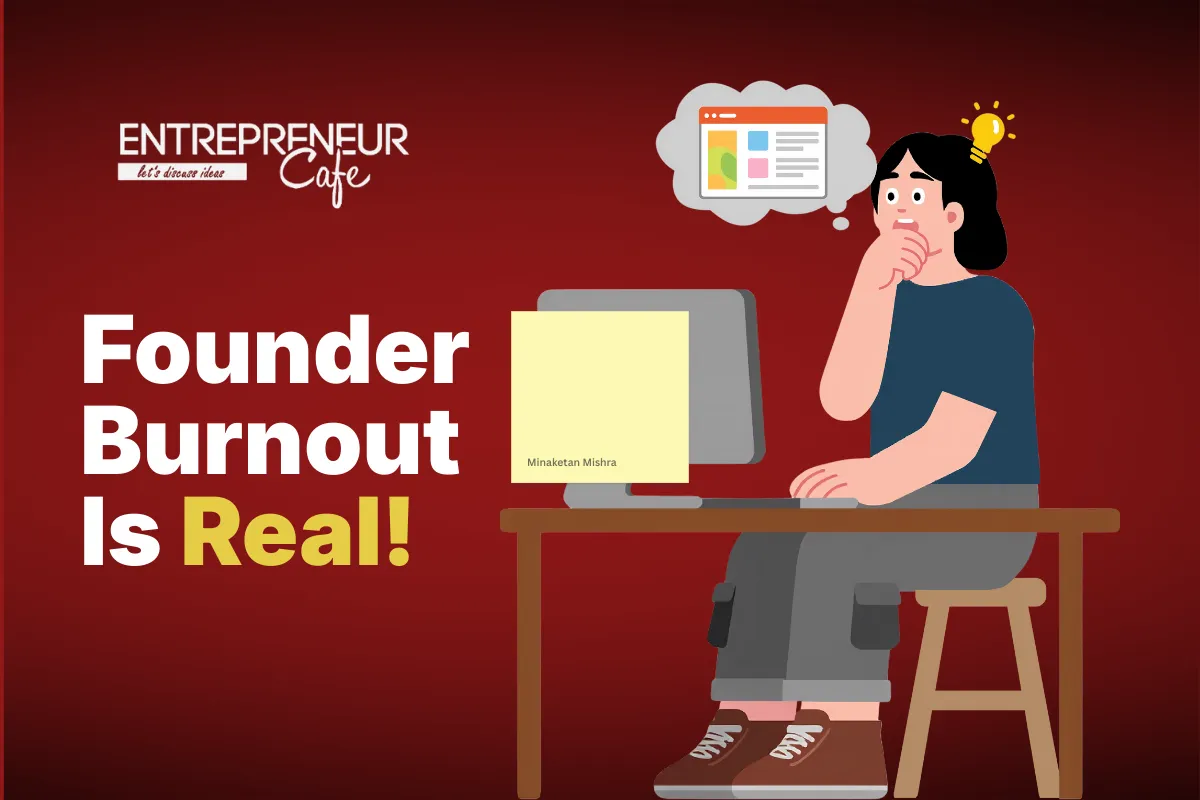
Behind every successful startup is a founder navigating intense pressure, uncertainty, and responsibility. While entrepreneurship is often portrayed as exciting and rewarding, the reality can be emotionally demanding. Founder burnout has become an increasingly common challenge within the startup ecosystem, yet it is rarely discussed openly. As entrepreneurs push themselves to meet ambitious goals, the emotional toll can slowly accumulate, affecting both personal well-being and business performance.
Burnout often begins subtly. Founders may start feeling overwhelmed by decision-making, constant problem-solving, and the weight of expectations. The startup journey requires wearing multiple hats — from leadership and strategy to operations and communication — which can lead to mental fatigue over time. When combined with the pressure to maintain momentum, many entrepreneurs struggle to find space for reflection or recovery.
One of the main reasons burnout persists is isolation. Founders frequently feel that they must project confidence and strength, even when facing uncertainty. This emotional distance can make challenges feel heavier, as entrepreneurs hesitate to share vulnerabilities. Without a support system, small setbacks can feel overwhelming, leading to reduced motivation and clarity.
Community-driven environments offer a powerful solution to this problem. Founder communities create spaces where entrepreneurs can engage in honest conversations without fear of judgment. When founders share their experiences openly, they discover that many others face similar challenges. This sense of shared understanding reduces the emotional burden and encourages healthier perspectives on growth and failure.
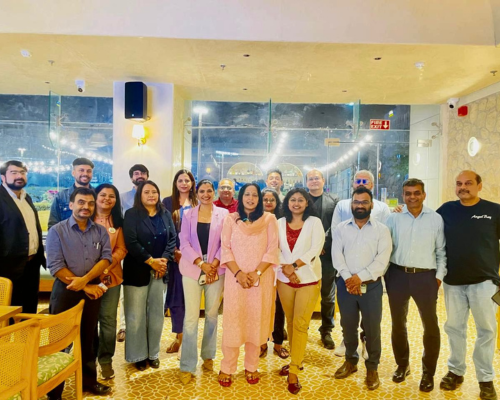
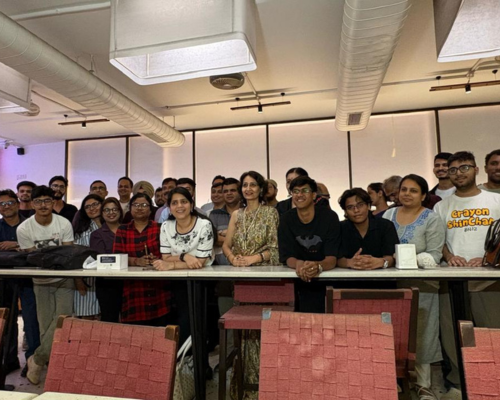
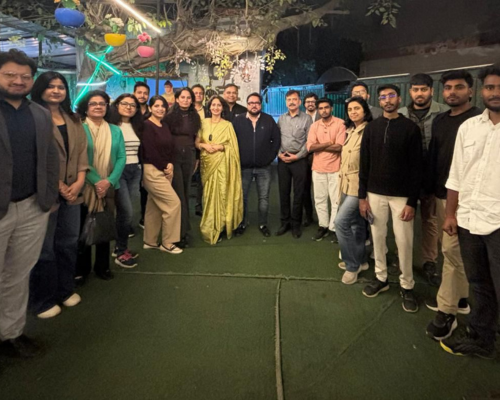
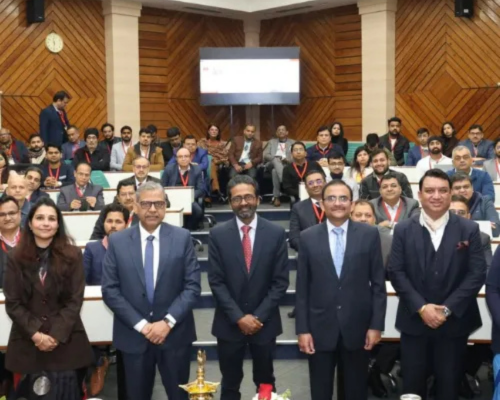
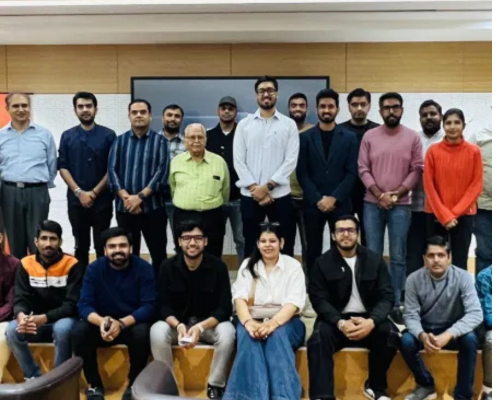
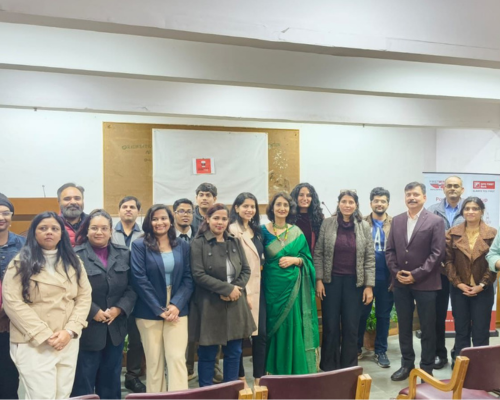
Offline meetups play a particularly important role in addressing burnout. In-person interactions allow founders to connect beyond professional identities, building relationships grounded in authenticity. These conversations often provide reassurance and emotional support that digital platforms struggle to replicate. A simple exchange of experiences during a chapter event can help founders realize that their struggles are not unique — and that support is available within the community.
Another benefit of community engagement is the opportunity to gain fresh perspectives. When founders feel stuck, hearing how others approached similar challenges can spark new ideas. These insights often come from casual conversations rather than formal mentorship, highlighting the organic value of community interactions. Over time, founders develop a more balanced outlook, learning to view challenges as shared experiences rather than personal failures.
While strategic planning and productivity tools are valuable, they cannot replace the emotional resilience that comes from meaningful connections. Communities help founders shift their focus from constant performance to sustainable growth. By participating in collaborative environments, entrepreneurs learn to pace themselves, celebrate small wins, and maintain motivation even during difficult periods.
Platforms like Entrepreneur Cafe recognize the importance of addressing founder burnout through community-building initiatives. By organizing local chapters and fostering open dialogue, they create spaces where entrepreneurs feel supported both professionally and personally. These gatherings encourage founders to step away from the pressure of constant execution and engage in conversations that inspire clarity and renewal.
Building resilience also requires a shift in mindset. Instead of viewing burnout as a personal weakness, founders can see it as a signal to reconnect with their purpose and community. Engaging with peers who understand the entrepreneurial journey helps normalize these experiences, making it easier to seek support without hesitation. Over time, this collaborative approach strengthens not only individual founders but also the ecosystem as a whole.
Ultimately, founder burnout highlights the need for a more human-centered approach to entrepreneurship. While strategy and innovation drive business growth, emotional well-being plays an equally important role in long-term success. Communities that prioritize authentic relationships and shared learning help entrepreneurs navigate challenges with greater confidence and balance.
As India’s startup culture continues to evolve, conversations around mental health and founder support are becoming increasingly important. By embracing community-driven solutions, entrepreneurs can create environments where growth feels sustainable rather than overwhelming. In this new era of entrepreneurship, collaboration and connection are proving to be just as powerful as strategy — offering founders the strength to keep building, learning, and evolving together.