
India’s startup ecosystem is no longer limited to a few major metropolitan cities. Over the past decade, Tier-2 cities such as Jaipur, Chandigarh, Pune, and Ahmedabad have emerged as vibrant hubs for entrepreneurship. With increasing digital adoption and a new generation of ambitious founders, these cities are redefining what it means to build a startup outside traditional urban centers. While the journey comes with unique challenges, it also offers opportunities that many founders are beginning to recognize.
One of the most significant advantages of building a startup in a Tier-2 city is the cost advantage. Office spaces, operational expenses, and even talent acquisition costs are often lower compared to larger metros. This allows founders to focus more on building sustainable business models rather than constantly managing high overheads. Many entrepreneurs find that reduced financial pressure encourages experimentation and long-term thinking, which can lead to stronger foundations for growth.
However, the journey is not without obstacles. Access to funding remains one of the primary challenges for Tier-2 founders. Venture capital networks are often concentrated in major cities, making it harder for regional entrepreneurs to secure early-stage investments. Despite this, many founders are finding creative ways to overcome these barriers by leveraging bootstrapping strategies, community support, and digital fundraising platforms. These alternative approaches not only help sustain businesses but also encourage founders to build resilient and adaptable ventures.
Another challenge is the perception gap that sometimes exists between metro and non-metro ecosystems. Founders in Tier-2 cities may feel overlooked despite building impactful solutions. This is where community-driven initiatives play a crucial role. Local chapters and founder networks provide visibility and credibility, helping entrepreneurs showcase their work and connect with broader ecosystems. Through consistent engagement, these communities create pathways for collaboration and recognition that might otherwise be difficult to access.
The cultural dynamics of Tier-2 cities also shape the startup journey in unique ways. Relationships often develop more organically, and founders tend to support each other through shared experiences. This collaborative spirit fosters an environment where knowledge is exchanged freely, helping entrepreneurs learn faster. Instead of competing for attention, many founders focus on building long-term partnerships that benefit the entire ecosystem.
Real stories from regional founders highlight the resilience required to succeed outside major hubs. Many entrepreneurs begin with limited resources but leverage local strengths to create meaningful impact. For example, startups addressing regional challenges often gain strong customer loyalty because they deeply understand local needs. By focusing on solving real problems, these ventures build sustainable growth paths that do not rely solely on external funding.
Technology has also played a significant role in leveling the playing field for Tier-2 founders. Remote work, online learning platforms, and digital collaboration tools enable entrepreneurs to access global knowledge without leaving their cities. Founders can connect with mentors, investors, and customers from anywhere, allowing them to build businesses that are both locally rooted and globally relevant. This hybrid approach has become a defining characteristic of the new generation of regional startups.
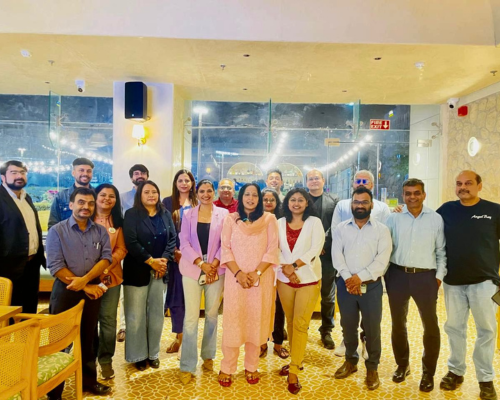
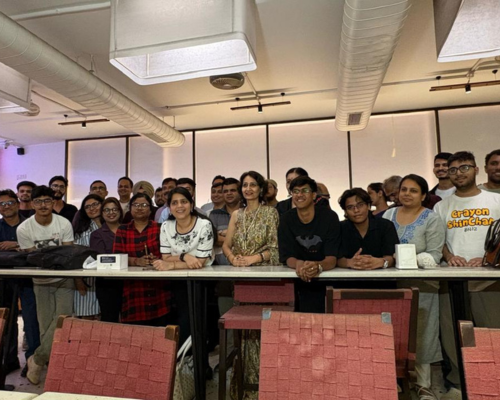
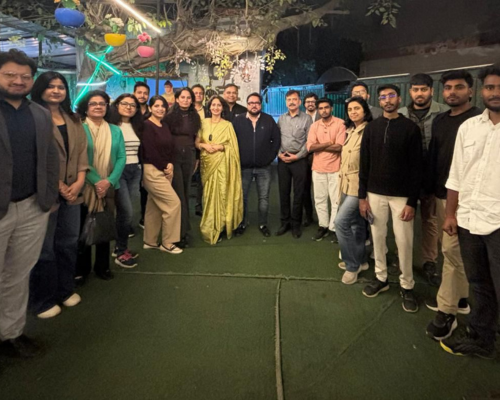
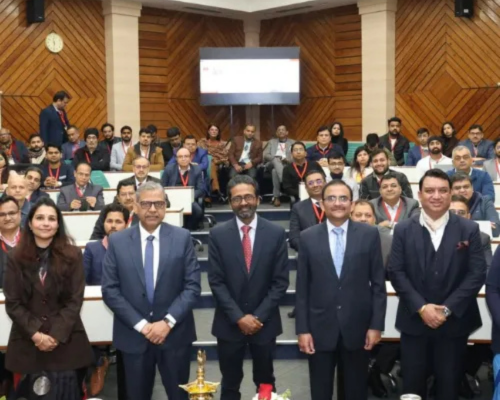
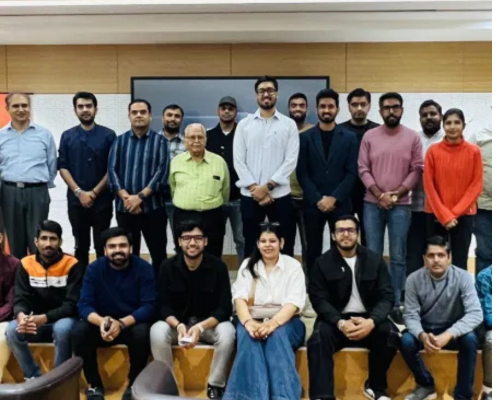
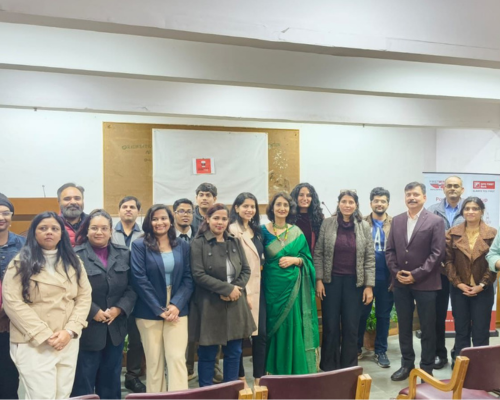
Local chapters organized by communities like Entrepreneur Cafe are helping bridge the gap between opportunity and access. These gatherings create safe spaces where founders share challenges openly, exchange insights, and explore collaborative solutions. By fostering consistent interaction, chapters strengthen the confidence of regional entrepreneurs and encourage them to think beyond geographical limitations. Over time, these interactions contribute to the growth of a stronger, more connected ecosystem.
Another emerging trend in Tier-2 ecosystems is the emphasis on sustainable growth. Many founders prioritize long-term impact over rapid scaling, focusing on building strong customer relationships and resilient business models. This mindset reflects a shift away from the traditional startup narrative that often emphasizes speed over stability. Regional entrepreneurs are demonstrating that meaningful success can be achieved through thoughtful execution and community-driven support.
Looking ahead, Tier-2 cities are poised to play an even greater role in shaping India’s entrepreneurial future. As infrastructure improves and digital access expands, more founders will choose to build businesses in their home cities. These ecosystems offer a unique blend of opportunity and authenticity, enabling entrepreneurs to create ventures that reflect local values while reaching broader markets.
Ultimately, building a startup in a Tier-2 city is about embracing both challenges and opportunities. Founders who leverage community support, focus on solving real problems, and remain adaptable to changing circumstances are redefining what success looks like outside traditional startup hubs. Through collaboration and shared learning, regional ecosystems are proving that innovation thrives wherever passionate entrepreneurs come together to build something meaningful.