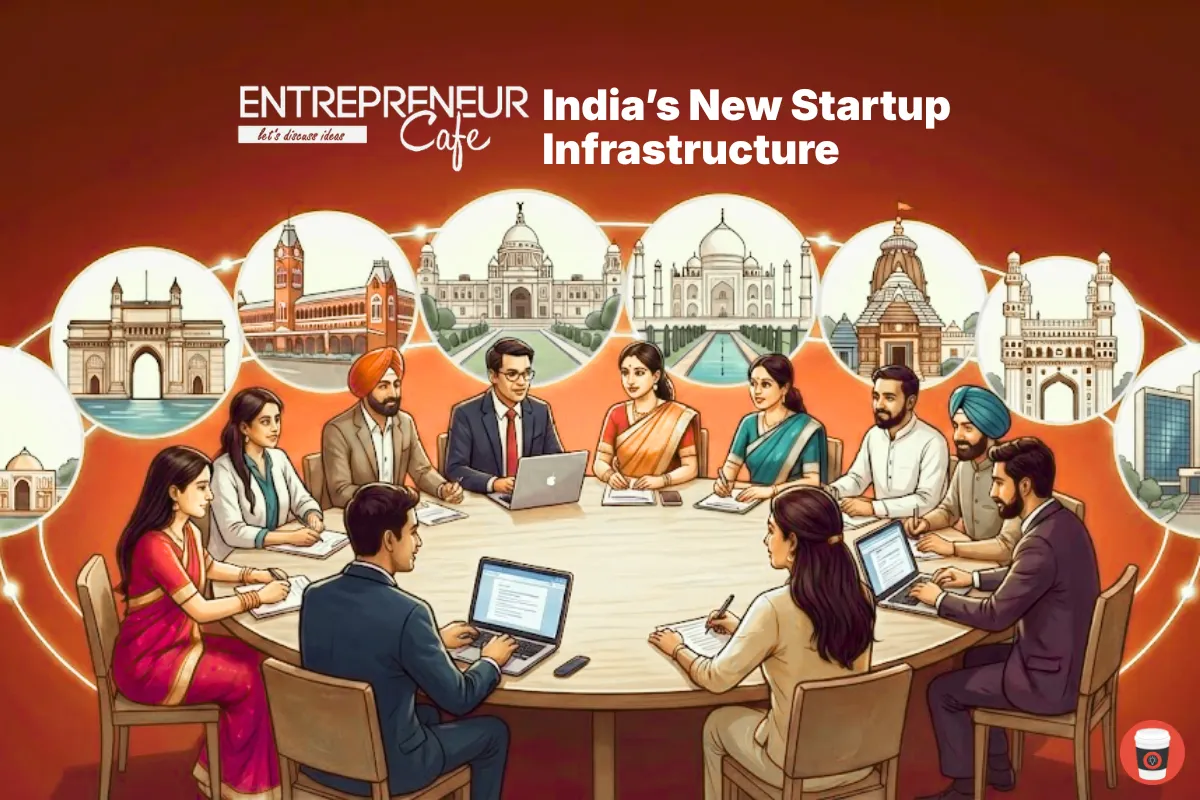
India is having a moment.
By almost every measurable indicator, the country's entrepreneurial ecosystem is thriving. Over 110,000 recognised startups. The third largest startup ecosystem in the world. A growing pool of homegrown venture capital. A generation of young founders who are building with ambition, speed, and a level of technical sophistication that was unimaginable a decade ago.
The story is real. The momentum is real. And the pride that comes with watching India emerge as a genuine global force in innovation and entrepreneurship is entirely justified.
But underneath the headline numbers, there are questions that do not get asked often enough. Questions about the quality of what is being built. The sustainability of how it is being funded. The depth of the ecosystems being created outside of Mumbai and Bangalore. And whether the culture of entrepreneurship that India is developing is one that will produce lasting, meaningful companies — or a series of growth-at-all-costs experiments that burn bright and disappear.
This is not a pessimistic piece. It is an honest one. Because India's entrepreneurship boom deserves more than celebration. It deserves scrutiny. And the founders, investors, and communities who are serious about building something that lasts need to be willing to ask the hard questions.
The Numbers Tell One Story. The Reality Tells Another.
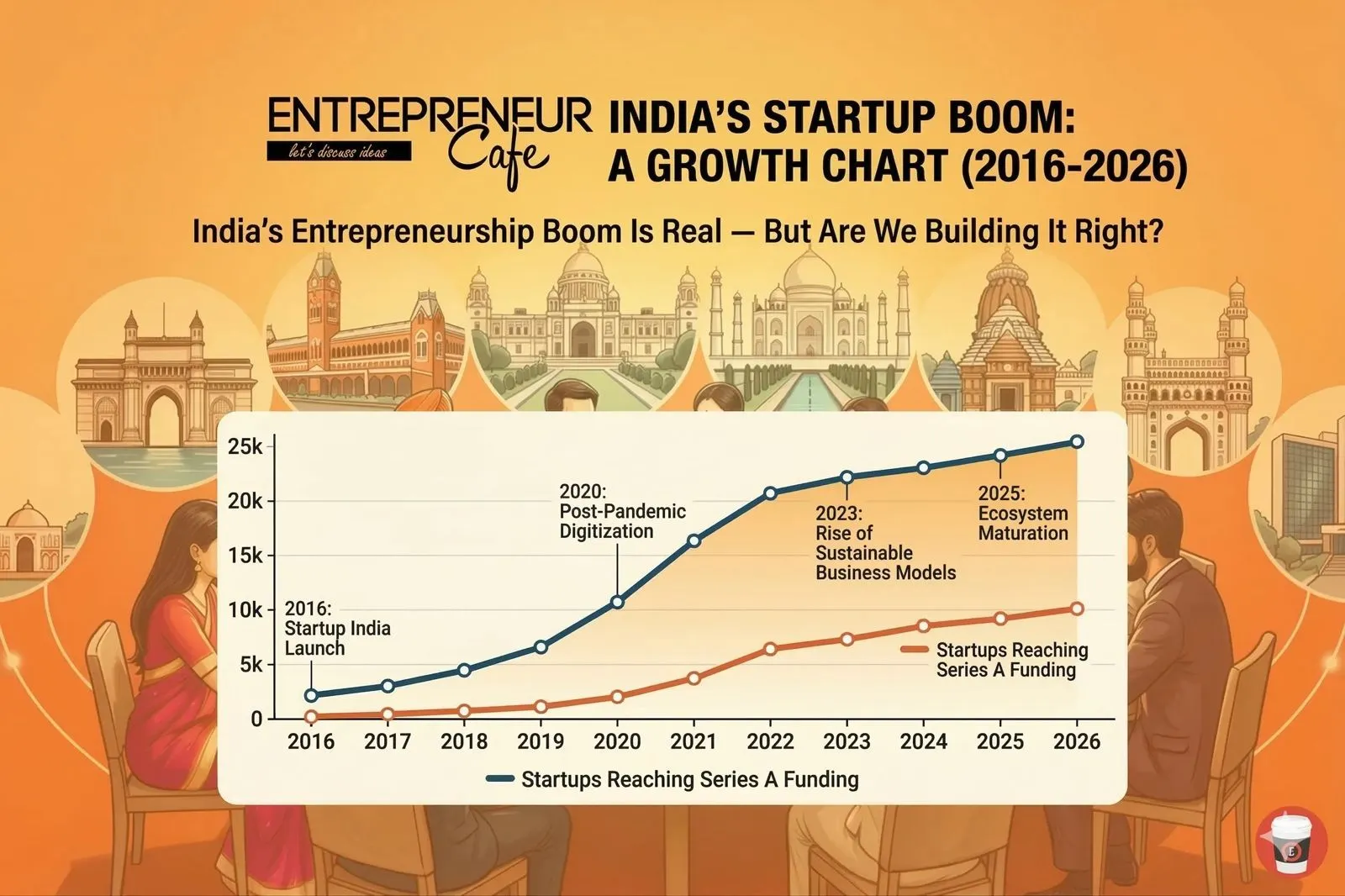
India's startup ecosystem by the numbers is genuinely impressive. According to the Department for Promotion of Industry and Internal Trade, India had over 110,000 DPIIT recognised startups as of 2023, spread across 763 districts. Indian startups raised over $25 billion in funding in 2022 alone. The country has produced over 100 unicorns — startups valued at over a billion dollars.
These are not small numbers. They represent real companies, real jobs, and real value being created across the country.
But look a little closer and a more complicated picture emerges. According to Tracxn's India Startup Report, a significant percentage of Indian startups fail within their first five years. Many of the unicorns created during the funding boom of 2021 have since seen dramatic valuation cuts — with some losing more than 70% of their peak value. And a disproportionate amount of startup activity and venture capital remains concentrated in three or four cities, leaving the vast majority of India's entrepreneurial talent underserved and under-resourced.
The boom is real. But the foundation it is built on deserves examination.
The Funding Frenzy And What It Left Behind
Between 2020 and 2022, India experienced one of the most intense periods of startup funding in its history. Capital was cheap, valuations were high, and the prevailing wisdom was that growth at any cost was the only metric that mattered. Founders were rewarded for acquiring users, not for building sustainable businesses. Investors were competing to deploy capital, not always to deploy it wisely.
The hangover from that period is still being felt. Layoffs across funded startups. Founders who built on the assumption that the next round would always come. Companies that scaled their cost structures before they found their business models.
According to a report by Inc42, Indian startups laid off over 24,000 employees in 2023 alone — many of them at companies that had raised significant venture funding just a year or two earlier.
The lesson here is not that venture capital is bad or that ambition is dangerous. The lesson is that building a company on metrics that do not reflect real value creation is a short term game with long term consequences. And India's ecosystem is still in the process of learning that lesson.
The Geography Problem
Here is a question that does not get asked enough — what does India's startup ecosystem look like outside of Mumbai, Bangalore, Delhi, and Hyderabad?
The answer, for most of the country, is that it looks significantly less resourced, less connected, and less supported than what founders in those four cities take for granted.
A founder in Bhubaneswar or Patna or Coimbatore is building with the same ambition and often the same technical skill as a founder in Bangalore. But they do not have the same access to angel investors who write first cheques. They do not have the same density of mentors who have built and scaled companies before. They do not have the same informal networks — the coffee conversations, the warm introductions, the ecosystem dinners — that are part of the daily fabric of startup life in India's major hubs.
According to NASSCOM's Startup Report, while startup activity is growing in tier two and tier three cities, the funding and mentorship gap between these cities and the major metros remains significant.
This is the geography problem. And it is one of the most important challenges facing India's entrepreneurship ecosystem right now. Because if the boom only benefits founders in four cities, it is not really a national movement. It is a metropolitan one.
The Mentorship Gap
Closely related to the geography problem is the mentorship gap.
India has a growing number of successful founders who have built significant companies. But the culture of giving back — of experienced founders actively investing their time and knowledge in the next generation — is still developing compared to more mature ecosystems like Silicon Valley or Tel Aviv.
Research by MicroMentor found that entrepreneurs with mentors are five times more likely to start a business and are significantly more likely to survive their first three years. The data on mentorship's impact on startup survival and growth is overwhelming. And yet access to quality mentorship remains one of the most unevenly distributed resources in India's startup ecosystem.
The founders who are thriving in India today are almost universally the ones who found the right mentor at the right time. The question is how to make that access less a matter of luck and geography and more a matter of deliberate ecosystem design.
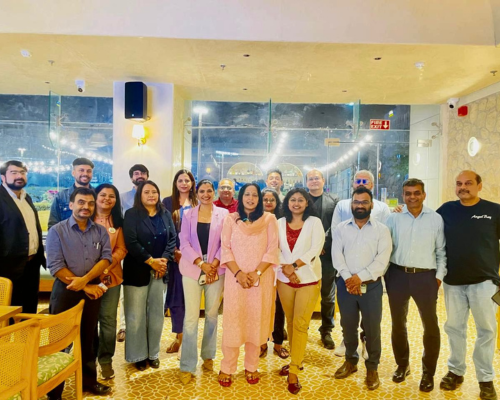
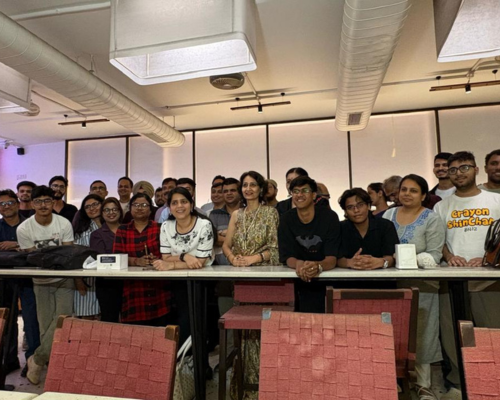
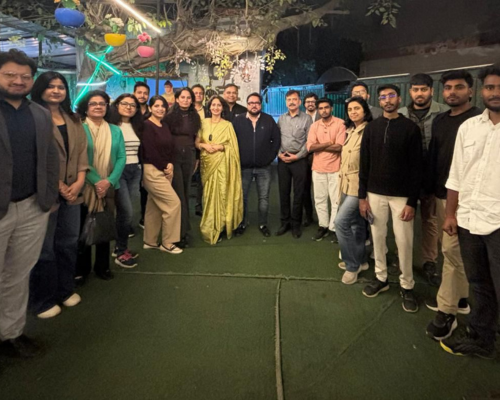
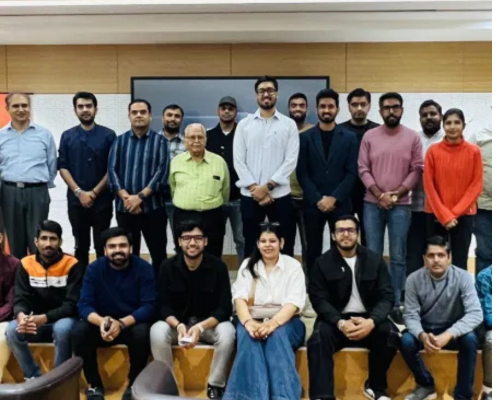
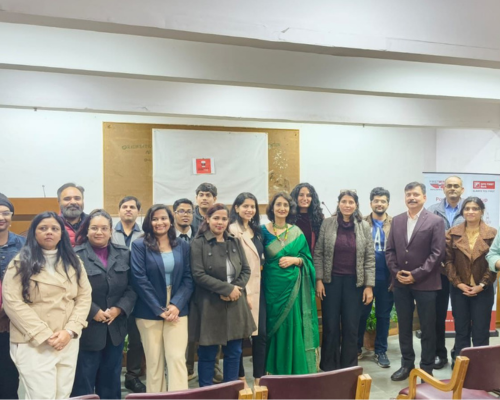
This is where communities like Entrepreneur Cafe play a role that goes beyond networking. By creating consistent, accessible, free spaces where experienced founders and early stage entrepreneurs can connect every single month — in cities across India and the world — the mentorship gap starts to close. Not through a formal program or an application process. Through the simple, powerful act of showing up in the same room.
Are We Building For India Or For Investors?
This is perhaps the most important question of all.
In the race to build fundable companies — to hit the metrics that attract venture capital, to tell the story that resonates with investors — there is a real risk that founders lose sight of the problem they originally set out to solve. That they optimise for what looks good in a pitch deck rather than what actually creates value for the customer they are supposed to be serving.
India has some of the most complex, most important, and most underserved problems in the world. In agriculture, healthcare, education, financial inclusion, logistics, and climate. These are massive markets with real human stakes. And the founders who are building genuine solutions to these problems — not chasing trends but solving needs — are the ones who will build companies that matter.
Nandan Nilekani, co-founder of Infosys and architect of Aadhaar, has spoken repeatedly about India's unique opportunity to build technology companies that solve local problems at global scale. The infrastructure is there. The talent is there. The question is whether the entrepreneurial culture being built will direct that talent toward problems that truly matter — or toward the next consumer app chasing a demographic that already has too many apps.
The Culture Question
Beyond the funding and the geography and the mentorship — there is a deeper question about the culture of entrepreneurship that India is building.
Is it a culture that celebrates learning from failure or one that stigmatises it? Is it a culture where founders are honest about what is not working or one where performance is mandatory and vulnerability is weakness? Is it a culture where community and collaboration are valued or one where competition and secrecy are the default?
The answers to these questions will determine what kind of ecosystem India builds over the next decade. And right now the answers are mixed.
There are pockets of genuinely healthy entrepreneurial culture in India — communities where founders support each other, where failure is treated as data, where collaboration produces better outcomes than competition. But these pockets need to become the norm rather than the exception.
Building that culture is not the responsibility of the government or the investors or the accelerators alone. It is the responsibility of every founder who chooses to show up for their community, to be honest about their journey, and to invest their time in helping the person behind them on the path.
What A Healthy Ecosystem Actually Looks Like
A truly healthy entrepreneurial ecosystem has a few defining characteristics. It distributes opportunity geographically — giving founders in every city access to the mentorship, capital, and community they need to build. It values sustainable business building over growth at all costs. It creates a culture where failure is information rather than shame. And it builds the kind of community infrastructure that supports founders not just at the peak moments but through the long, difficult middle of building something real.
India has the talent. India has the market. India has the ambition. What it needs now is the ecosystem depth to match — and that depth is built by communities, mentors, investors, and founders who are willing to invest in the long game.
The Opportunity Ahead
None of this is a reason for pessimism. Quite the opposite.
The fact that these gaps exist means that the opportunity to close them is enormous. Every mentor who gives their time generously. Every investor who backs a founder outside the major metros. Every community that shows up consistently to create access where it did not exist before. Every founder who chooses to build something real over something fundable — all of it moves the ecosystem forward.
India's entrepreneurship boom is real. The question of whether we are building it right is not a criticism. It is an invitation. An invitation to every person who cares about this ecosystem to show up with more intentionality, more generosity, and more commitment to building something that will still matter in twenty years.
The boom is the beginning. What we build with it is the story that actually counts.
Entrepreneur Cafe is a free, global community where entrepreneurs meet monthly over coffee to share ideas, get feedback, and build real relationships. Present in 110+ cities, 26 countries, and 6 continents. Find your chapter at entrepreneurcafe.org
Sources
- Department for Promotion of Industry and Internal Trade — India Startup Ecosystem https://pib.gov.in/PressReleasePage.aspx?PRID=1890712
- Tracxn — India Startup Report https://tracxn.com/d/trending-themes/startups-in-india
- Inc42 — Indian Startup Layoffs Report https://inc42.com/buzz/indian-startup-ecosystem-layoffs/
- NASSCOM — Technology Startup Report 2023 https://nasscom.in/knowledge-center/publications/technology-startup-report-2023
- MicroMentor — The Impact of Mentorship on Startups https://www.micromentor.org/question/14912
- Economic Times — Nandan Nilekani on India's Startup Opportunity https://economictimes.indiatimes.com/tech/technology/india-has-potential-to-build-global-companies-solving-local-problems-nandan-nilekani/articleshow/97323456.cms
- Entrepreneur Cafe — Global Entrepreneur Community https://entrepreneurcafe.org