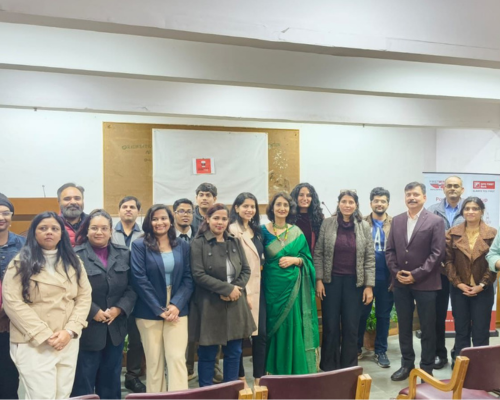

In today’s startup ecosystem, funding announcements and rapid growth stories often dominate conversations around entrepreneurship. While capital and visibility play important roles, they rarely define the true needs of early-stage founders. Many entrepreneurs begin their journeys believing that securing investment is the ultimate milestone, only to discover that building a sustainable venture requires far more than financial resources. Beyond funding and hype, founders need clarity, support, and an environment that encourages continuous learning.
One of the most overlooked aspects of early-stage entrepreneurship is clarity of purpose. Founders often feel pressure to move quickly, chasing trends or replicating strategies that worked for others. However, without a deep understanding of their own vision and market, rapid execution can lead to confusion rather than progress. Clarity helps entrepreneurs prioritize effectively, allowing them to focus on solving meaningful problems rather than pursuing short-term validation.
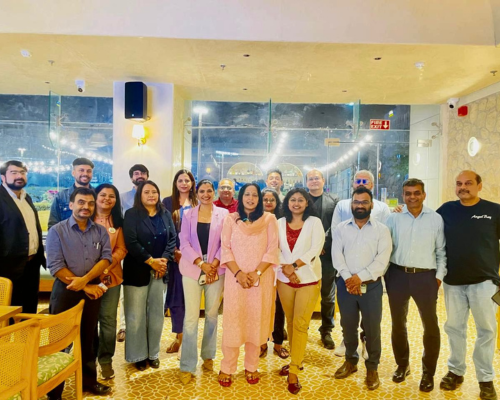
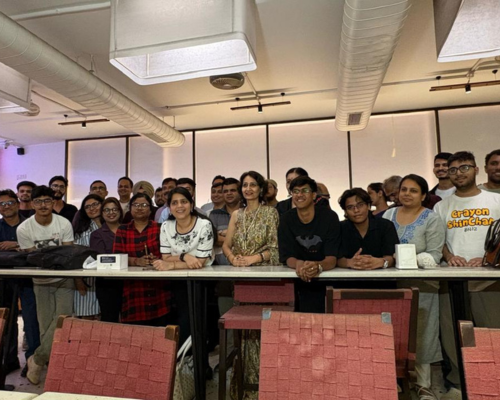
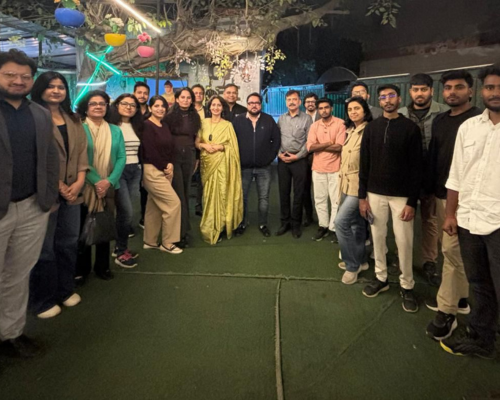
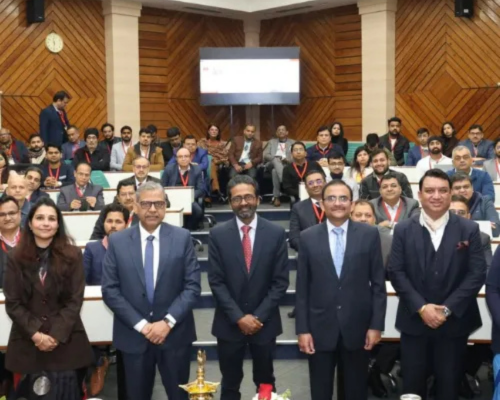
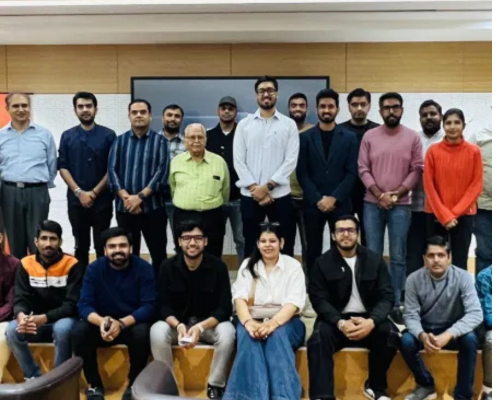
Community support also plays a vital role in the early stages of building a startup. Entrepreneurship can be isolating, especially when founders face uncertainty or self-doubt. Engaging with local chapters or founder communities provides a space where entrepreneurs can share experiences openly and learn from others navigating similar challenges. These interactions create a sense of belonging that helps founders stay motivated even during difficult phases.
Another critical factor is access to honest feedback. Early-stage founders often operate within small teams or limited networks, making it difficult to gain diverse perspectives. Community-driven environments encourage open dialogue, enabling entrepreneurs to test ideas, refine strategies, and identify blind spots before they become major obstacles. Constructive feedback fosters growth, helping founders evolve both personally and professionally.
Learning mindset is equally important. The startup journey is rarely linear, and founders must adapt constantly to changing circumstances. Instead of viewing challenges as failures, successful entrepreneurs treat them as opportunities to learn and improve. This mindset shift allows founders to build resilience, enabling them to navigate uncertainty with confidence and creativity.
While funding can accelerate growth, it cannot replace strong relationships and strategic thinking. Many founders discover that partnerships, mentorship, and collaboration provide more lasting value than financial resources alone. Building meaningful connections within a community creates opportunities that extend beyond individual ventures, strengthening the ecosystem as a whole.
The pressure of startup culture can sometimes lead founders to focus excessively on visibility and external validation. Social media highlights success stories, creating the impression that rapid scaling is the only path to achievement. However, sustainable growth often happens quietly, driven by consistent effort and thoughtful decision-making. Founders who prioritize long-term impact over short-term recognition are better positioned to build resilient businesses.
Platforms like Entrepreneur Cafe emphasize the importance of holistic growth for early-stage entrepreneurs. By creating spaces where founders can engage in real conversations, these communities help shift the narrative away from hype-driven success. Instead of measuring progress solely through funding rounds or metrics, founders are encouraged to reflect on their learning journey, relationships, and ability to create meaningful value.
Another essential need for early-stage founders is emotional resilience. The entrepreneurial path involves uncertainty, rejection, and moments of doubt. Having access to a supportive community helps founders process these experiences without feeling isolated. Through shared stories and collective learning, entrepreneurs gain perspective and develop the confidence to continue pursuing their goals.
Ultimately, what early-stage founders truly need goes beyond funding or recognition. They need clarity to define their vision, community to support their journey, and opportunities to learn from real experiences. By focusing on these foundational elements, entrepreneurs can build ventures that are not only successful but also meaningful and sustainable.
As India’s startup ecosystem continues to evolve, the narrative around entrepreneurship is shifting. Founders are beginning to recognize that success is not defined solely by external achievements but by the strength of the relationships and communities they build along the way. In this new landscape, collaboration, learning, and authenticity are becoming the true drivers of progress — proving that what founders need most cannot always be measured in numbers.